

How to Maximise Your Shop Floor Space with Wall Shelving

Introduction
One of the biggest challenges for small shop owners is making the most of limited floor space. Wall shelving is the perfect solution — it uses vertical space to display products without taking up any floor area, leaving more room for customers to move around. In this guide, we’ll show you how to maximise your shop floor space using wall shelving.
Why Wall Shelving is Essential for Small Shops
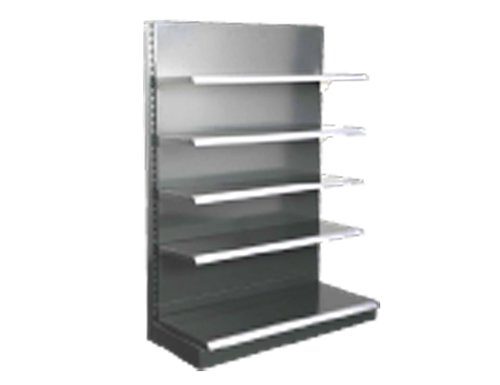
Wall shelving is one of the most space-efficient ways to display products in a retail store. Unlike gondola shelving, which sits in the middle of the shop floor, wall shelving attaches directly to the walls and uses vertical space that would otherwise be wasted.
This is particularly important in small shops where every square metre counts. By moving product displays from the floor to the walls, you free up space for customer movement, additional gondola units, or even a seating area if you run a café or bakery.
Wall shelving also creates a clean, organised look around the perimeter of the store. It draws customers’ eyes upward and encourages them to browse the full height of the display, which can increase sales of products that might otherwise be overlooked.
Choosing the Right Height and Depth
The most common height for wall shelving in UK retail stores is between 1.4m and 2.1m. Taller shelving gives you more display space, but anything above 2.1m may require a step ladder for restocking, which can slow down operations.
The depth of the shelves is equally important. Base shelves are typically 470mm deep to hold larger products like bottles, boxes, and multipacks. Upper shelves are usually 370mm deep, which is ideal for smaller products like canned goods, packets, and cosmetics.
If you have a very small shop, consider using shallower shelves — 300mm deep shelves take up less space and can still hold a wide range of products. However, be careful not to go too shallow, as products may fall off or look cluttered.
Installation Tips for Wall Shelving
Installing wall shelving correctly is critical for safety and durability. The uprights must be fixed securely to the wall studs or using appropriate wall anchors. Never rely on plasterboard alone to support the weight of fully stocked shelves — it will not hold.
Start by marking the position of the uprights on the wall using a spirit level to ensure they are perfectly vertical. Drill pilot holes and attach the uprights using heavy-duty screws or wall anchors rated for the expected load.
Once the uprights are in place, attach the brackets and shelves. Make sure the brackets are level and evenly spaced. Most wall shelving systems allow you to adjust the height of the shelves, so you can reconfigure the display as your product range changes.
Organising Products for Maximum Impact
The way you organise products on wall shelving can have a big impact on sales. The most important rule is to place high-demand and high-margin products at eye level — this is the zone where customers naturally look first and where products are most likely to sell.
Place larger, heavier products on the base shelf and lighter products on the upper shelves. This creates a stable, balanced display and prevents the shelving from becoming top-heavy.
Use the top shelves for slow-moving items, bulk products, or decorative displays. Many shops use the top shelf for promotional banners or branded signage, which adds visual interest without taking up valuable product space.
Combining Wall Shelving with Other Display Systems
Wall shelving works well on its own, but it can also be combined with other display systems to create a more flexible retail space. For example, you can use slatwall panels on some walls to create a modular display that can be easily reconfigured with hooks, shelves, and baskets.
You can also mix wall shelving with gondola shelving to create a balanced store layout. Use wall shelving around the perimeter of the store for core product lines, and use gondola shelving in the centre for promotional displays and seasonal products.
Maintaining and Updating Your Wall Shelving
Wall shelving is low-maintenance, but it does require regular checks to ensure it remains safe and secure. Every few months, inspect the uprights and brackets for signs of wear or loosening. Tighten any screws or bolts that have come loose, and replace any damaged components immediately.
Update your wall shelving layout regularly based on sales data and customer feedback. Move slow-selling products to less prominent positions and give more space to products that are performing well. Seasonal changes are also a good opportunity to refresh the display and keep the store looking current.
Conclusion
Wall shelving is one of the most cost-effective and space-efficient ways to display products in a small shop. By using vertical space, you can maximise your product range without cluttering the shop floor. At Cool Racks, we supply a wide range of wall shelving systems suitable for all types of retail businesses, with expert installation advice available.
Browse our full wall shelving range or contact us for a quote.