

How to Install and Maintain a Commercial Cold Room

Introduction
A commercial cold room is an essential piece of equipment for businesses that need to store large quantities of chilled or frozen products. Whether you run a restaurant, butcher shop, supermarket, or catering business, a cold room allows you to keep stock fresh while freeing up space in your main refrigeration units. In this guide, we’ll explain how to install and maintain a commercial cold room.
What is a Commercial Cold Room?
A commercial cold room is a large, insulated walk-in space designed to store products at a controlled temperature. Cold rooms are available in two main types — chiller rooms, which operate at 0°C to 4°C for fresh products, and freezer rooms, which operate at -18°C or lower for frozen products.
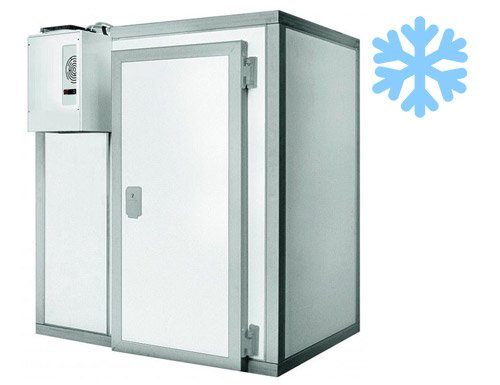
Cold rooms are made up of insulated wall panels, a floor, a ceiling, and a refrigeration unit. The refrigeration unit can be either a monoblock system, where the compressor is inside the cold room, or a remote system, where the compressor is located outside. Remote systems are more energy-efficient and quieter, but they require professional installation.
Choosing the Right Size and Location
The size of the cold room you need depends on the volume of stock you need to store and the available space in your premises. Measure the area where the cold room will be installed and allow for door clearance and ventilation around the refrigeration unit.
Choose a location that is easily accessible from your kitchen or storage area, but away from heat sources such as ovens, boilers, or direct sunlight. The cold room should ideally be installed on a solid, level floor that can support the weight of the structure and the stock inside.
Installing the Cold Room Panels
Cold room panels are modular and lock together to form the walls, floor, and ceiling. The panels are made from insulated sandwich construction, typically with a polyurethane foam core and metal or plastic outer layers.
Start by laying the floor panels. These must be perfectly level, as any unevenness will cause the walls to lean and the door to not seal properly. Use a spirit level to check the floor is flat, and add shims if necessary.
Next, assemble the wall panels. The panels slot together using a cam-lock or tongue-and-groove system. Start at one corner and work your way around, making sure each panel is fully engaged with the next. Some cold rooms require silicone sealant between the panels to ensure an airtight seal.
Finally, install the ceiling panels. These are usually the same as the wall panels and lock into place on top of the walls. Make sure all joints are fully sealed to prevent cold air from escaping.
Installing the Refrigeration Unit
Once the cold room structure is complete, the refrigeration unit can be installed. For a monoblock system, the unit is mounted on the wall or ceiling of the cold room and connected to the electrical supply. Make sure there is adequate clearance around the unit for airflow and maintenance.
For a remote system, the evaporator is installed inside the cold room, and the condensing unit is installed outside the building. The two units are connected by refrigerant pipes, which must be installed by a qualified refrigeration engineer. Remote systems are more complex to install but offer better energy efficiency and quieter operation.
Testing and Commissioning
After installation, the cold room must be tested and commissioned. Turn on the refrigeration unit and allow it to run for at least 24 hours to reach the correct temperature. Check the temperature regularly using a calibrated thermometer to ensure it is stable.
Inspect all door seals and panel joints for air leaks. Even a small gap can cause the cold room to lose temperature and increase energy consumption. If you find any leaks, seal them with silicone or replace the door gasket.
Regular Maintenance Tasks
To keep your cold room running efficiently and avoid costly breakdowns, regular maintenance is essential. Clean the evaporator coils every three months to remove dust and debris, which can reduce cooling efficiency. Check the door seals for wear and replace them if they are cracked or damaged.
Defrost the cold room regularly if it does not have an automatic defrost system. Ice build-up on the evaporator reduces cooling performance and increases energy consumption. Follow the manufacturer’s instructions for defrosting, and never use sharp tools to chip away ice, as this can damage the coils.
Check the refrigerant level and pressure at least once a year. If the refrigerant is low, the cold room will not reach the correct temperature and may suffer compressor damage. Only a qualified engineer should handle refrigerant, as it is a controlled substance.
Common Problems and How to Fix Them
One of the most common problems with cold rooms is the door not sealing properly. This can be caused by a damaged door gasket, a misaligned door, or a warped door frame. Inspect the gasket for tears or compression and replace it if necessary. If the door is misaligned, adjust the hinges until it closes flush with the frame.
Another common issue is the cold room not reaching the correct temperature. This can be caused by a dirty evaporator, low refrigerant, or a faulty thermostat. Clean the evaporator first, and if the problem persists, call a qualified engineer to check the refrigerant and controls.
If the cold room is making unusual noises, check the fan motor and compressor. Rattling or grinding noises usually indicate a worn bearing or loose component, which should be repaired immediately to prevent further damage.
Conclusion
A commercial cold room is a valuable investment for any business that needs large-scale refrigerated storage. With proper installation and regular maintenance, a cold room will provide reliable service for many years. At Cool Racks, we supply a full range of cold rooms and refrigeration equipment, with expert installation and support available throughout the UK.
Browse our cold room range or contact us today for a quote.